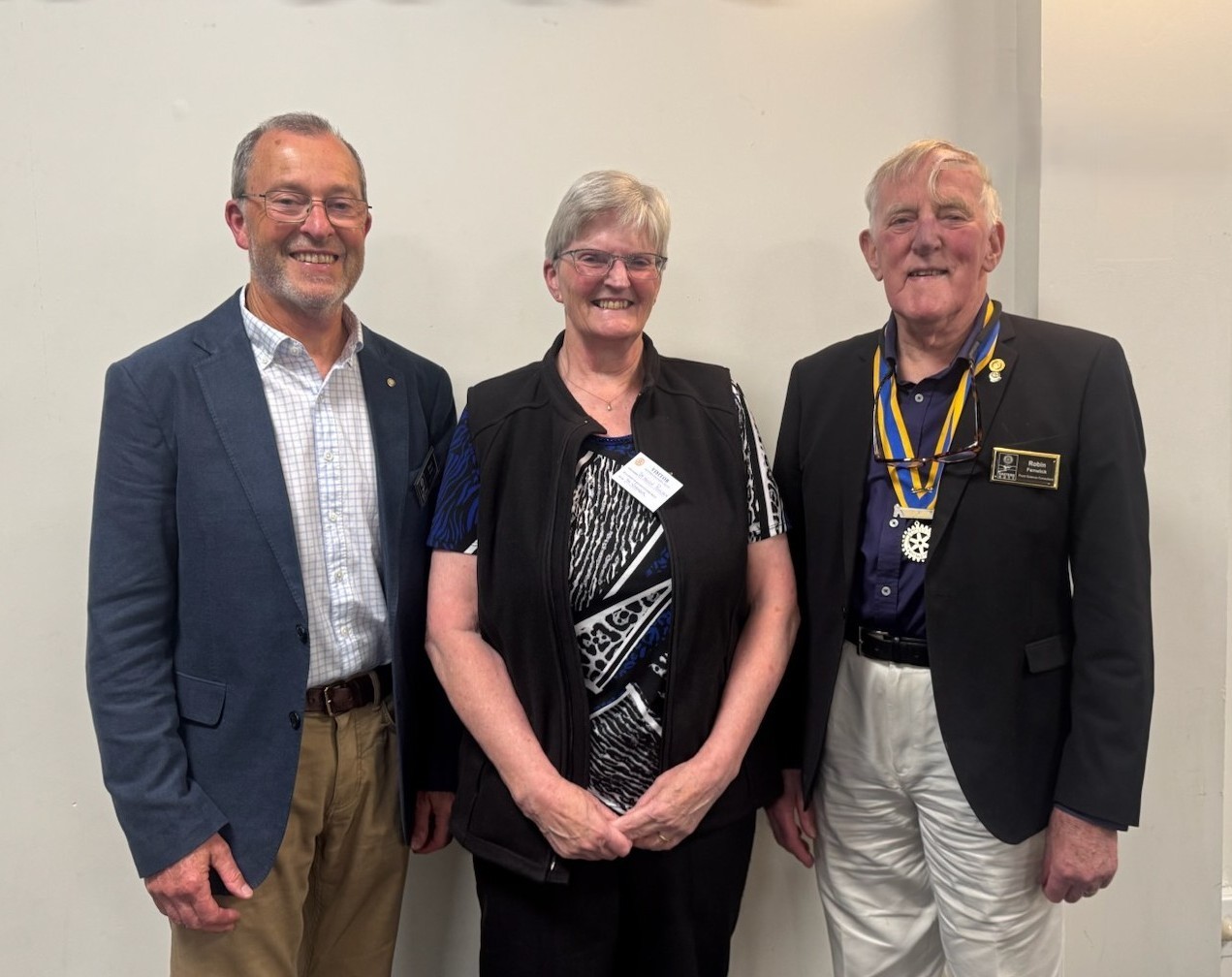
‘Plants that Poison’ or ‘how to kill your husband in a way PHF cannot detect’!!
Helen works in the Toxicology section of PHF (Public Health & Forensic) Science, formerly ESR and before that the DSIR. The work of the toxicology group is mainly the analysis of drugs and poisons in biological specimens as related to coronial and criminal cases. Her unofficial research, however, has involved growing and analysing poisonous plants.
Helen received the ESR Lifetime Achievement Award at the Science New Zealand Awards for her major contribution to forensic toxicology.
There are many poisonous plants in our gardens, including natives, that are identified as possessing significant risk to humans and animals.
Some examples included:
Ongaonga (NZ Tree Nettle) – one of NZ’s most dangerous plants. Covered in hypodermic like stinging spines containing potent neurotoxins that cause severe dermatitis, paralysis, or systemic reactions.
Karaka – the bright orange outer fruit pulp is edible, but the raw inner kernel contains karakin, a severe neurotoxin dangerous to children and pets.
Oleander – extremely toxic shrub when even a single leaf or flower ingested can be fatal due to cardiac effects.
There have been coronial inquests linked to the ingestion of suspected toxic plants. However, the potential toxin involved is not always easily identified. To this end, Helen grows many ‘suspect’ plants and endeavours to extract compounds that may be regarded as toxins. However, proving these compounds are the reason for an unexplained death remains challenging when determining whether the ill-effects of a potential toxin are the cause of death.
The mistaken identity of plants can also lead to significant harm. An example being Foxglove (containing digitalis) and the Comfrey plant. A sad case of mistaken identity resulted in the death of a teenager after partying and rumoured to have ingested ‘magic mushrooms.’ Toxicology determined no psilocin (active compound in magic mushrooms) was present; however, they did find amatoxins, associated with the Death Cap mushroom.
As a guide to understanding the potential harm in our native forests and gardens, Helen gave reference to a book: ‘Plants that Poison’ by Henry Connor (botanist) and John Fountain (toxicologist).
Thank you, Helen, for a most interesting and informative presentation.